Nuclear trafficking in viral infection and immunity
Viruses that replicate in the nucleus (e.g. HIV and influenza A virus) rely on the nuclear pore complex (NPC) and the nuclear architecture for the replication of their genome, which can persist in the nucleus as an integrated cassette within the host cell chromatin, as episomes or as complex genomic entities.
NPCs can favour viral replication by offering a micro-environment rich in nucleotides, a hotspot for components of the SUMO machinery (e.g. RanBP2, RanGAP1, Ubc9, SENP2) and a highly-connected network with the cytoskeleton and the nuclear architecture. However, NPCs are also key modulators of innate immunity since they regulate the import of innate immune transcription factors (e.g. IRF proteins or NF-κB) and antiviral factors (e.g. TRIM5α), and the export of transcripts that code for cytokines (e.g. IL-6 mRNA). Similarly, nuclear domains such as PML nuclear bodies (PML-NBs) can control viral genome expression and the establishment of latency, but are also a hotspot of antiviral defense.
It is the central nature of NPCs and other nuclear structures in both viral replication and innate immunity that drives our research projects.
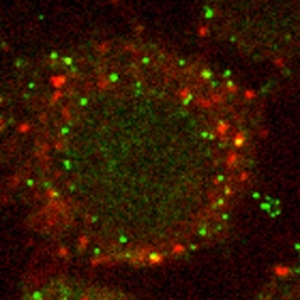 |
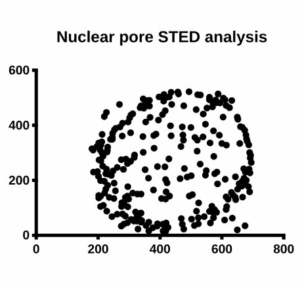
Project 1: HIV trafficking and nuclear translocation. Over the years, our team has studied in-depth the mechanisms underlying HIV nuclear import and uncoating. We recently identified an atypical nuclear localisation signal in HIV-1 capsid that is recognised by Transportin-1 to carry HIV-1 capsids through NPCs. We are currently developing inhibitors of the Transportin-1/capsid binding interface that act as antivirals that specifically target nuclear import with high potency and low toxicity. |
 |
Project 2: Control of the innate immune response to influenza A virus by RanBP2. RanBP2 is a component of the cytoplasmic fibrils of NPCs. We previously examined its importance in mediating HIV-1 docking to NPCs, and in modulating the function of TRIM5α in dendritic cells. Our current research examines how RanBP2 modulates the production of pro-inflammatory cytokines following influenza A virus infection, and how this is disrupted in the rare genetic disorder Acute Necrotizing Encephalopathy (ANE1). |
<
The VTRIS team:
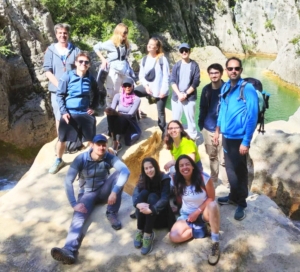
The team in April 2024
At the back, from left to right: S. Nisole, G. Beucher, I. Bribes, R. Gaye, S. Desgraupes, M. Gonzalez, M. Seite, A. Decorsière. At the front, from left to right: J. Zoladek, S. Perrin, M. Cannac, N. Arhel
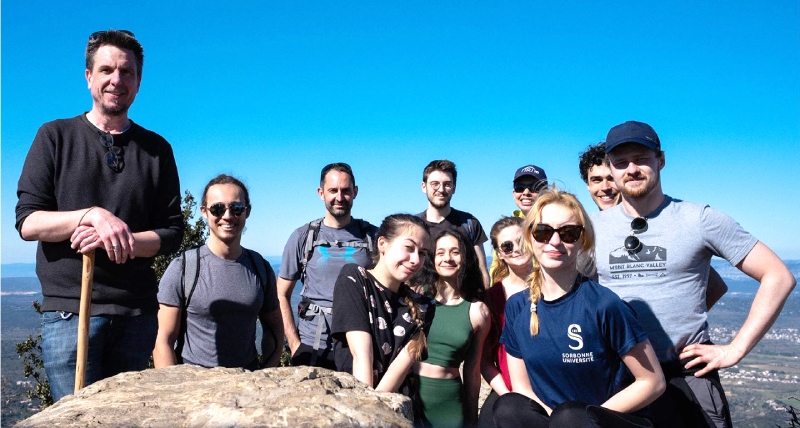
The team in April 2023
From left to right: S. Nisole, T. Léocadie, A. Decorsière, S. Perrin, E. Quevarec, C. Fournie, S. Desgraupes, N. Arhel, I. Bribès, B. Gouy, J. Zoladek.
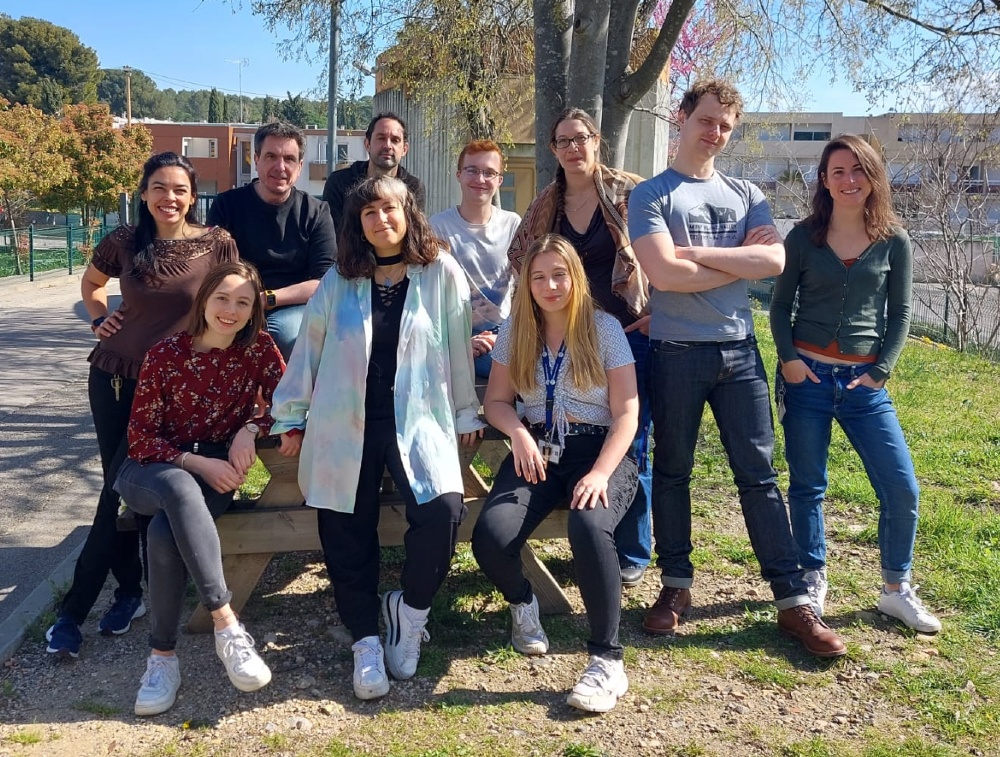
The team in March 2022
From left to right: N. Arhel, E. Arsac,S. Nisole, P. Gonin, A. Decorsière, M. Cartron, A. Vidal, A. Boulay, J. Zoladek, C. Chamontin.
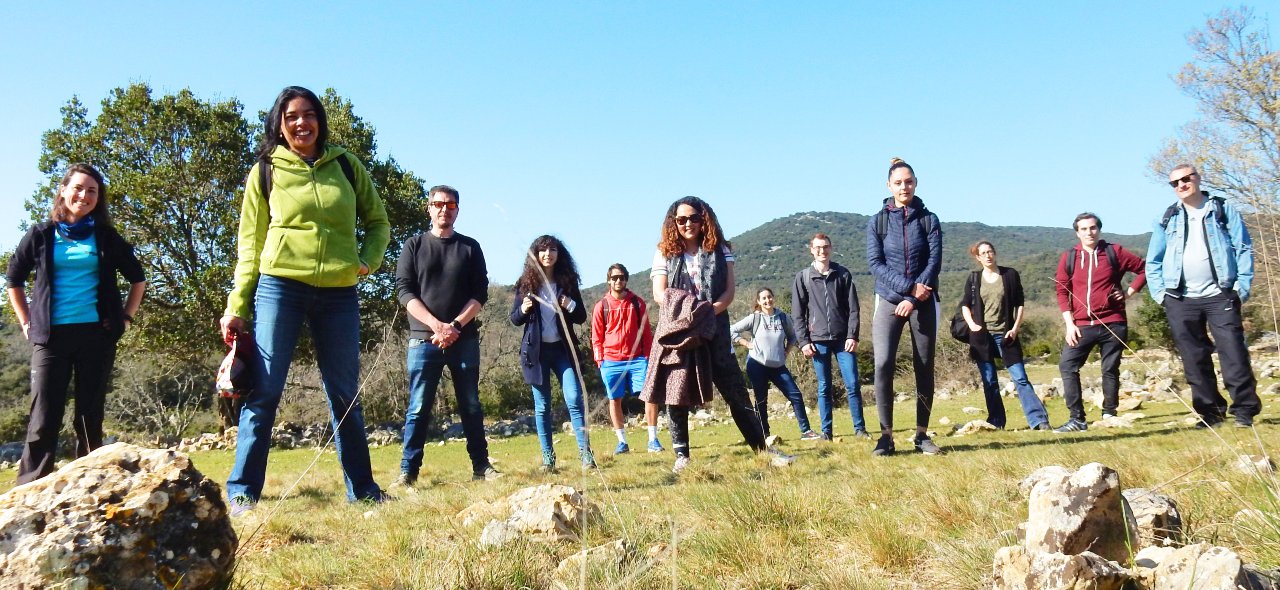
The team in March 2021
From left to right: C. Chamontin, N. Arhel, S. Nisole, M.F. Martin, H. Abiven, G. Maarifi, J. Fernandez, P. Nouaux, E. Gerber-Tichet, A. Boulay, Q. Hertel, F. Blanchet.
Team members
 Nathalie Arhel – Research Director CNRS, Team leader
 Jim Zoladek – Research Scientist, CNRS
 Sophie Desgraupes – Postdoc, ANRS
 Marion Cannac – PhD student, ENS Lyon
Past members (VTRIS Alumni)
 Sébastien Nisole – Research Director INSERM, 2017-2025
 Inès Bribes – PhD student, 2022-2025
 Guillaume Beucher – Postdoc ANR, 2024-2025
 Adrien Decorsière – CNRS researcher, 2021-2025
 Suzon Perrin – Technician, 2024-2025
 Maël Seite – Master student (Rennes University), 2024
 Rokhaya Gaye – Master student (Montpellier University), 2024
 Maxime Gonzalez – Master student (Montpellier University), 2024
 Thomas Léocadie – Master student (ENS Saclay), 2023
 Emmanuel Quevarec – Master student (ENSCM), 2023
 Benoît Gouy – Master student (ENS Lyon), 2023
 Soléna Rossi – Master student (Montpellier University), 2023
 Chloé Fournie – Master student (Montpellier University), 2023
 Célia Chamontin – Technician, Montpellier University, 2017-2022
 Pauline Gonin, Master student (Montpellier University), 2022
 Mateo Cartron, Master student (Rennes University), 2022
 Emma Arsac, Master student (Montpellier University), 2022
 Amélie Vidal, Master student (Montpellier University), 2022
 Aude Boulay, Technician, Sidaction, 2020-2022
 Ghizlane Maarifi, Postdoc ANRS, 2019-2021
 Marie-France Martin, PhD student, Labex EpiGenMed, 2018-2021
 Fabien Blanchet, INSERM tenured researcher, 2019-2022
 Quentin Hertel, PhD student, 2020-2022
 Camille Talercio, Master student (Montpellier University), 2021-2022
 Pierre Nouaux, Research assistant, SATT AxLR, 2021
 Elina Gerber-Tichet, Master student (Montpellier University), 2021
 Hervé Abiven, 5th year student (Ecole de Biologie Industrielle), 2021
 Juliette Fernandez, PhD student, Sidaction / Research assistant, SATT AxLR, 2017-2021
 Sarah Maillet, PhD student, ANRS, 2017-2020
 Carla Alemany, Bachelor student (Montpellier University), 2020
 Lina Lapeyre, Master student (Montpellier University), 2020
 Anne-Claire Aurilio, Master student (Montpellier University), 2019-2020
 Justine Lagisquet, Research assistant, 2017-2019
 Willy Lutz, Bachelor student (Nîmes University), 2019
 Richard de Reuver, Master student Erasmus (Leiden University, The Netherlands), 2018
 Samah Sharif, Master student (Montpellier University), 2018
 Abderezak Zebboudj, Postdoc, 2017-2018
PUBLICATIONS 2015-2026
2026
– Desgraupes S, Boireau S, Khalil M, Aouinti S, Nisole S, Bolloré K, Barbaria W, Barzaghi F, Dilena R, Boon M, Lunsing RJ, Tuaillon E, Westerholm-Ormio M, Deiva K, Bakker DP, Kuijpers TW, Yeh EA, Lim M, Picot MC, Meyer P, Arhel NJ. An Inflammatory Signature Associated with Genetic 1 Predisposition to Acute Necrotizing Encephalopathy. medRxiv 2026.04.24.26350762.
– Desgraupes S, Decorsière A, Perrin S, Gouy B, Wang YE, Palazzo AF, Munier S, Arhel NJ. The genetic driver of Acute Necrotizing Encephalopathy, RANBP2, regulates the inflammatory response to Influenza A virus infection. Nat Commun. 2026 Feb 6.
– Medkour H, Bocci F, Schneider N, Serrato-Pomar I, Rey-Cadilhac F, Miot EF, Saron W, St John A, Maarifi G, Liu Y, Missé D, Nie Q, Smith DR, Nisole S, Plikus MV, Pompon J. Single-cell characterization of skin response to a bite by West Nile virus-infected mosquito reveals fibroblast-mediated barrier to transmission. bioRxiv 2026.01.08.698384
2025
– Leplat M, Desgraupes S, Beucher G, Decorsière A, Perrin A, Perrin S, Arhel NJ. ANEmone: The 1st Science & Families conference on acute necrotizing encephalopathy raises hopes for an ultra-rare genetic disease. Virologie. 2025, 29(6):431-434.
– Cannac M, Zoladek J, Bribes I, Fresneau–Resende M, Legrand A, Demeure R, Zusinaite E, Merits A, Etienne L, Nisole S. SAMD9L inhibits flavivirus translation independently of its capacity to trigger innate immune response. PLoS Pathog. 2025, 21(12):e1013773.
– Bribes I, Nisole S. Zika Virus: A Tale of Two Lineages. Pathogens. 2025, 14(11):1151.
– Zoladek J, Cannac M, Seite M, Simonin Y, Wilson S, Nisole S. MITD1, an interferon-induced factor that inhibits the replication of neurotropic flaviviruses. Virologie. 2025, 29(5):376-377.
– Nisole S, Gilmer D. 2025 Renaud-Mahieux Awards. Virologie. 2025, 29(5):373.
– Hausdorff M, Delpal A, Machin H, Tahir A, Zoladek J, Gucciardi F, Swain J, Gros N, Muriaux D, Nisole S, Canard B, Vasseur JJ, Decroly E, Debart F. Synthesis and in vitro inhibitory activity of N-arylsulfonamide adenosine analogues designed to target SARS-CoV-2 nsp14 N7-methyltransferase. Bioorg Chem. 2025, 166: 109104
– Desgraupes S, Arhel N. Unravelling the diversity of RANBP2: protein isoforms and implications for cellular function and human disease. J Mol Biol. 2025, 437(24):169452.
– Zoladek J, Cannac M, Nisole S. MITD1 inhibits the replication of neurotropic flaviviruses in microglial cells. Med Sci. 2025, 41:640–642.
– Bribes I, Zoladek J, Cannac M, Salinas S, Wilson SJ, Nisole S. African strains of Zika virus resist ISG-mediated restriction. PLoS Negl Trop Dis. 2025, 19(7):e0013326.
– Arhel NJ. Fostering better science by releasing biomedical research and innovation from the grip of rich nations. PLOS Glob Public Health. 2025, 5(6):e0004709.
– Medkour H, Pruvost L, Miot EF, Gong X, Vaissayre V, Tavadia M, Boutinaud P, Revel J, Hitakarun A, Sornjai W, Zoladek J, Duncan Smith R, Nisole S, Nolte-‘t Hoen E, Bertrand-Michel J, Missé D, Marti G, Pompon J. Sphingomyelins in mosquito saliva reconfigure skin lipidome to promote viral protein levels and enhance transmission of flaviviruses. Cell Metab. 2025, S1550-4131(25)00295-5.
– Zoladek J, Cannac M, Seite M, Davies E, Quellec J, Barthelemy J, Gorna K, Desgraupes S, Bribes I, Salinas S, Coulpier M, Arhel NJ, Palmarini M, Simonin Y, Wilson SJ, Nisole S. MITD1 is a brain-specific interferon-inducible factor that inhibits flavivirus replication. Proc Natl Acad Sci U S A. 2025, 122(12):e2502064122.
– Zoladek J, Deymier S, Cimarelli A, Nisole S. Not all RNAs are created equal for the antiviral RNase ISG20. Trends Microbiol. 2025, 33(6):583-585.
– Serrato-Pomar I, Zoladek J, Medkour H, Narpon Q, Rey-Cadilhac F, Rossi S, French S, Modahl C, Sornjai W, Miot E, Hamel Rn Medianikov O, Missé D, Nisole S, Pompon J. Multiple flaviviruses secrete a viral non-coding RNA in mosquito salivary vesicles to enhance saliva infectivity by reducing early IFN response. BioRxiv. 2025.01.21.634113.
2024
– Zoladek J, Caval V, Paillart JC, Decroly E, Nisole S. How Usutu virus resists ISG20-mediated restriction. Med Sci. 2024, 40(12):973-975.
– Bekaddour N, Smith N, Caspar B, Grinberg S, Giorgiutti S, Rodeschini V, Dupuy S, Leboulanger N, Duffy D, Soulas-Sprauel P, Gies V, Korganow AS, Nisole S, Herbeuval JP. The histamine analogue clobenpropit modulates IRF7 phosphorylation and interferon production by targeting CXCR4 in systemic lupus erythematosus models. Front. Immunol. 2024, 15:1490593.
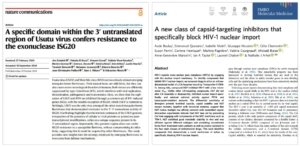
– Zoladek J, El Kazzi P, Caval V, Vivet-Boudou V, Cannac M, Davies EL, Rossi S, Bribes I, Rouilly L, Simonin Y, Jouvenet N, Decroly E, Paillart JC, Wilson SJ, Nisole S. A specific domain within the 3′ untranslated region of Usutu virus confers resistance to the exonuclease ISG20. Nat Commun. 2024, 2;15(1):8528.
– Boulay A, Quevarec E, Malet I, Nicastro G, Chamontin C, Perrin S, Henriquet C, Pugnière M, Courgnaud V, Blaise M, Marcelin AG, Taylor IA, Chaloin L, Arhel NJ. A new class of capsid-targeting inhibitors that specifically block HIV-1 nuclear import. EMBO Mol Med. 2024, 16(11):2918-45.
– Quellec J, Piro-Megy C, Cannac M, Nisole S, Marty FH, Gosselet F, Shimizu F, Kanda T, Cêtre-Sossah C, Salinas S. Rift Valley fever virus is able to cross the human blood-brain barrier in vitro by direct infection with no deleterious effects. J Virol. 2024.
– Nisole S. 2024: The Olympic Games go viral. Virologie. 2024, 28 (5):301-303.
– Cannac M, Nisole S. TRIMming down Flavivirus Infections. Viruses. 2024, 16(8):1262.
– Medkour H, Pruvost L, Gong X, Vaissayre V, Boutinaud P, Revel J, Hitakarun A, Sornjai W, Zoladek J, Smith DR, Nisole S, Nolte-t Hoen E, Bertrand-Michel J, Missé D, Marti G, Pompon J. Sphingomyelins in mosquito saliva modify the host lipidome to enhance transmission of flaviviruses by promoting viral protein levels. BioRxiv. 2024.06.14.599058.
– Decombe A, El Kazzi P, Nisole S, Decroly E. How do 2′-O-methylations within Human Immunodeficiency Virus type 1 (HIV-1) genome regulate its replication? Med Sci. 2024, 40(5):421-427.
– Decombe A, Peersen O, Sutto-Ortiz P, Chamontin C, Piorkowski G, Canard B, Nisole S, Decroly E. Internal RNA 2′-O-methylation on the HIV-1 genome impairs reverse transcription. Nucleic Acids Res. 2024, 52(3):1359-1373.
– Vouillon A, Barthelemy J, Lebeau L, Nisole S, Savini G, Lévêque N, Simonin Y, Garcia M, Bodet C. Skin tropism during Usutu virus and West Nile virus infection: an amplifying and immunological role. J Virol. 2024, 98(1):e0183023.
2023
– Gouy B, Decorsière A, Desgraupes S, Duan W, Ouyang H, Wang YE, Yeh EA, Palazzo AF, Moraes TJ, Nisole S, Arhel NJ. Rapid and inexpensive bedside diagnosis of RAN binding protein 2-associated acute necrotizing encephalopathy. Front. Neurol. 2023, 14:1282059.
– Zoladek J and Nisole S. Mosquito-borne flaviviruses and type I interferon: catch me if you can! Front. Microbiol. 2023, 14:1257024.
– Arhel NJ, Field MC. Biomedical implications of nuclear transport. FEBS Lett. 2023, 597(20):2499-2500.
– Desgraupes S, Etienne L, Arhel NJ. RANBP2 evolution and human disease. FEBS Lett. 2023, 597(20):2519-2533.
– Bekaddour N, Smith N, Beitz B, Llibre A, Dott T, Baudry A, Korganow AS, Nisole S, Mouy R, Breton S, Bader-meunier B, Duffy D, Terrier B, Schneider B, Quartier P, Rodero MP, Herbeuval JP. Targeting the chemokine receptor CXCR4 with histamine analog to reduce inflammation in juvenile arthritis. Front. Immunol. 2023, 14:1178172.
– Nisole S, Gilmer D. Renaud-Mahieux prizes – XXVth JFV. Virologie. 2023, 27(3):203.
– Zoladek J, Cannac M, Cartron M, Léocadie T, Wilson SJ, Nisole S. Identification of interferon-stimulated genes that interfere with the replication of West Nile virus and Usutu virus. Virologie. 2023, 27(3):204-205.
– Boulay A, Trabanelli S, Boireau S, Boyer-Clavel M, Nisole S, Romero P, Jandus C, Beignon AS, Arhel NJ. Assessing the Impact of Persistent HIV Infection on Innate Lymphoid Cells Using In Vitro Models. Immunohorizons. 2023, 7(3):243-255.
– El Kazzi P, Rabah N, Chamontin C, Poulain L, Ferron F, Debart F, Canard B, Missé D, Coutard B, Nisole S, Decroly E. Internal RNA 2’O-methylation in the HIV-1 genome counteracts ISG20 nuclease-mediated antiviral effect. Nucleic Acids Research, 2023, 51(6):2501-2515.
– Constant O, Maarifi G, Barthelemy J, Martin MF, Tinto B, Savini G, Van de Perre P, Nisole S, Simonin Y, Salinas S. Differential effects of Usutu and West Nile viruses on neuroinflammation, immune cell recruitment and blood brain barrier integrity. Emerg Microbes Infect. 2023, 12(1):2156815.
2022
– Vitour D, Nisole S, Lévêque N, Saulnier A, Tordo N, Gatignol A, Gilmer D. Une année dans Virologie : des virus persistent, d’autres émergent. Virologie. 2022, 26(6):405-408.
– Pompon J, Nisole S. Comment les flavivirus nous assaisonnent pour appâter les moustiques. Virologie. 2022, 26(4):315-317.
– Maarifi G, Martin MF, Zebboudj A, Boulay A, Nouaux P, Fernandez J, Lagisquet J, Garcin D, Gaudin R, Arhel NJ#, Nisole S#. Identifying enhancers of innate immune signaling as broad-spectrum antivirals active against emerging viruses. Cell Chem Biol. 2022, 29(7):1113-1125.
– Mac Kain A*, Maarifi G*, Aicher SM, Arhel NJ, Baidaliuk A, Munier S, Donati F, Vallet T, Tran QD, Hardy A, Chazal M, Porrot F, OhAinle M, Carlson-Stevermer J, Oki J, Holden K, Zimmer G, Simon-Lorière E, Bruel T, Schwartz O, van der Werf S, Jouvenet N#, Nisole S#, Vignuzzi M#, Roesch F#. Identification of DAXX as a restriction factor of SARS-CoV-2 through a CRISPR/Cas9 screen. Nat Commun. 2022, 13(1):2442.
– Martin MF, Maarifi G, Abiven H, Seffals M, Mouchet N, Beck C, Bodet C, Lévèque N, Arhel NJ, Blanchet FP, Simonin Y, Nisole S. Usutu Virus escapes langerin-induced restriction to productively infect human Langerhans cells, unlike West Nile virus. Emerg Microbes Infect. 2022, 11(1):761-774.
2021
– Chamontin C, Bossis G, Nisole S, Arhel NJ, Maarifi G. Regulation of viral restriction by post-translational modifications. Viruses. 2021, 13: 2197.
– Bekaddour N, Smith N, Beitz B, Llibre A, Dott T, Baudry A, Korganow AS, Nisole S, Mouy R, Breton S, Bader-Meunier B, Duffy D, Terrier B, Schneider B, Quartier P, Rodero M, Herbeuval JP. Targeting the chemokine receptor CXCR4 with histamine analogue to reduce inflammation in juvenile arthritis: a proof of concept for COVID-19 therapeutic approach. BioRxiv, 2021.10.24.465080.
– Sonigo P, Petit C, Arhel NJ. Faut-il vacciner contre la détection par PCR ou contre la maladie Covid-19 ? Virologie. 2021 Oct 12.
– Martin MF, Maarifi G, Abiven H, Seffals M, Mouchet N, Beck C, Bodet C, Lévêque N, Arhel NJ, Blanchet FP, Simonin Y, Nisole S. Usutu virus uses langerin as a receptor to productively infect Langerhans cells more efficiently than West Nile virus. BioRxiv, 2021.08.17.456611.
– Arone C, Dibsy R, Inamdar K, Lyonnais S, Arhel NJ, Favard C, Muriaux D. Illuminating the nanoscopic world of viruses by fluorescence super-resolution microscopy. Virologie. 2021, 25(3):47-60.
– Maarifi G, Lagisquet J, Hertel Q, Bonaventure B, Chamontin C, Fuchs K, Moncorgé O, Tauziet M, Mombled M, Papin L, Molès JP, Bodet C, Lévèque N, Gross A, Arhel N, Nisole S, Van de Perre P, Goujon C, Blanchet FP. Alarmin S100A9 restricts retroviral infection by limiting reverse transcription in human dendritic cells. EMBO J. 2021, 40(16):e106540.
– Arhel NJ. An unprecedented interest for the human immunodeficiency virus capsid. Med Sci. 2021, 37(5):549-552.
– Mac Kain A, Maarifi G, Aicher SM, Arhel NJ, Baidaliuk A, Vallet T, Tran QD, Hardy A, Chazal M, Porrot F, OhAinle M, Carlson-Stevermer J, Oki J, Holden K, Simon-Loriere E, Bruel T, Schwartz O, Jouvenet N, Nisole S, Vignuzzi M, Roesch F. Identification of DAXX as a restriction factor of SARS-CoV-2 through a CRISPR/Cas9 screen. BioRxiv, 2021.05.06.442916.
– Gosselin-Grenet AS, Servan de Almeida R, Roumagnac P, Ayouba A, Simonin Y, Nisole S. Virus et chercheurs sous le soleil de Montpellier. Virologie. 2021, 25(S1):3-5.
– Rebendenne A, Valadão ALC, Tauziet M, Maarifi G, Bonaventure B, McKellar J, Planès R, Nisole S, Arnaud-Arnould M, Moncorgé O, Goujon C. SARS-CoV-2 triggers an MDA-5-dependent interferon response which is unable to control replication in lung epithelial cells. J Virol. 2021, JVI.02415-20.
– Fernandez J, Hassen-Khodja C, Georget V, Rose T, Jacob Y, Janin YL, Nisole S, Vidalain PO, Arhel NJ. Measuring the subcellular compartmentalization of viral infections by protein complementation assay. PNAS 2021, 118(2):e2010524118.
2020
– Volcic M, Sparrer KMJ, Koepke L, Hotter D, Sauter D, Stürzel CM, Scherer M, Stamminger T, Hofmann TG, Arhel NJ, Wiesmüller L, Kirchhoff F. Vpu modulates DNA repair to suppress innate sensing and hyper-integration of HIV-1. Nat Microbiol. 2020, 5(10):1247-1261.
– Arhel NJ. Early HIV replication revisited. Nat Microbiol. 2020, 5(9):1065-1066.
– Clé M, Desmetz C, Barthelemy J, Martin MF, Constant O, Maarifi G, Foulongne V, Bolloré K, Glasson Y, De Bock F, Blaquiere M, Dehouck L, Pirot N, Tuaillon E, Nisole S, Najioullah F, Van de Perre P, Cabié A, Marchi N, Gosselet F, Simonin Y, Salinas S. Zika Virus Infection Promotes Local Inflammation, Cell Adhesion Molecule Upregulation, and Leukocyte Recruitment at the Blood-Brain Barrier. mBio. 2020, 11(4):e01183-20.
– Sa Ribero M, Jouvenet N, Dreux M, Nisole S. Interplay between SARS-CoV-2 and the type I interferon response. PLoS Pathog. 2020, 16(7):e1008737.
– Nisole S, Saulnier A, Gatignol A. Severe acute respiratory syndrome coronavirus 2 (SARS-CoV-2): Should we target the virus, the cell or the disease? Virologie. 2020, 24(3):135-141.
– Maillet S, Fernandez J, Decourcelle M, El Koulali K, Blanchet FP, Arhel NJ, Maarifi G, Nisole S. Daxx inhibits HIV-1 reverse transcription and uncoating in a SUMO-dependent manner. Viruses. 2020, 12(6):E636.
– Burette M, Allombert J, Lambou K, Maarifi G, Nisole S, Di Russo Case E, Blanchet FP, Hassen-Khodja C, Cabantous S, Samuel J, Martinez E, Bonazzi M. Modulation of innate immune signaling by a Coxiella burnetii eukaryotic-like effector protein. PNAS 2020, 117(24):13708-13718.
– Fernandez J, Arhel NJ. HIV capsid and productive infection: taking steps in the right direction. Virologie. 2020, 24(2):88-98.
– Maarifi G, Czubala MA, Lagisquet J, Ivory MO, Fuchs K, Papin L, Birchall JC, Nisole S, Piguet V, Blanchet FP. Langerin (CD207) represents a novel interferon-stimulated gene in Langerhans cells. Cell Mol Immunol. 2020, 17(5):547-549.
– Martin MF, Nisole S. West Nile Virus restriction in mosquito and human cells: A virus under confinement. Vaccines. 2020, 8(2):E256.
– Maarifi G, Smith N, Nisole S. Interferon response: with great power comes great responsibility? Med Sci. 2020, 36(3):206-209.
– Hayek S, Pietrancosta N, Hovhannisyan AA, Alves de Sousa R, Bekaddour N, Ermellino L, Tramontano E, Arnould S, Sardet C, Dairou J, Diaz O, Lotteau V, Nisole S, Melikyan G, Herbeuval JP, Vidalain PO. Cerpegin-derived furo[3,4-c]pyridine-3,4(1H,5H)-diones enhance cellular response to interferons by de novo pyrimidine biosynthesis inhibition. Eur J Med Chem. 2020, 186:111855.
– Fernandez J, Arhel NJ. Transportin-1 orchestrates HIV-1 uncoating and nuclear entry. Med Sci. 2020, 36(3):203-206.
2019
– Salinas S, Simonin Y, L’Ambert G, Nisole S. Autochthonous cases of Zika virus in metropolitan France: a new paradigm for this arbovirus? Virologie. 2019, 23(6):329-332.
– Maarifi G, Smith N, Maillet S, Moncorgé O, Chamontin C, Edouard J, Sohm F, Blanchet FP, Herbeuval JP, Lutfalla G, Levraud JP, Arhel NJ, Nisole S. TRIM8 is required for virus-induced IFN response in human plasmacytoid dendritic cells. Sci Adv. 2019, 5(11):eaax3511.
– Fernandez J, Machado AK, Lyonnais S, Chamontin C, Gärtner K, Léger T, Henriquet C, Garcia C, Portilho DM, Pugnière M, Chaloin L, Muriaux D, Yamauchi Y, Blaise M, Nisole S, Arhel NJ. Transportin-1 binds to the HIV-1 capsid via a nuclear localization signal and triggers uncoating. Nat Microbiol. 2019 4(11):1840-1850.
– Smith N, Rodero MP, Bekaddour N, Bondet V, Ruiz-Blanco YB, Harms M, Mayer B, Badder-Meunier B, Quartier P, Bodemer C, Baudouin V, Dieudonné Y, Kirchhoff F, Garcia ES, Charbit B, Leboulanger N, Jahrsdörfer B, Richard Y, Korganow AS, Münch J, Nisole S, Duffy D and Herbeuval JP. Control of TLR7-mediated type I IFN signaling in pDCs through CXCR4 engagement—A new target for lupus treatment. Science Advances. 2019, 5(7):eaav9019.
– Hayek S, Bekaddour N, Besson L, Alves de Sousa R, Pietrancosta N, Viel S, Smith N, Jacob Y, Nisole S, Mandal R, Wishart DS, Walzer T, Herbeuval JP, Vidalain PO. Identification of primary natural killer cell modulators by chemical library screening with a luciferase based functional assay. SLAS Discovery. 2019, 24(1):25-37.
– Nisole S, Fernandez J, Maarifi G, Arhel NJ. SUMO regulates the capacity of TRIM5α to inhibit HIV-1. Med Sci. 2019, 35(2):106-109.
2018
– Maarifi G, Fernandez J, Portilho DM, Boulay A, Dutrieux J, Oddos S, Butler-Browne G, Nisole S, Arhel NJ. RanBP2 regulates the anti-retroviral activity of TRIM5α by SUMOylation at a predicted phosphorylated SUMOylation motif. Commun Biol. 2018, 1:193.
– Nisole S. Usutu, that which does not kill us makes us stronger. Virologie. 2018, 22(5):231-2.
2017
– Lucas-Hourani M, Dauzonne D, Mulier-Lehmann H, Khiar S, Nisole S, Dairou J, Helynck O, Afonso P, Tangy F, Vidalain PO. An original chemical series of pyrimidine biosynthesis inhibitors that boost the antiviral interferon response. Antimicrob. Agents Chemother. 2017, 61(10): e00383-17.
– Khiar S, Lucas-Hourani M, Nisole S, Smith N, Helynck O, Bourgine M, Ruffié C, Herbeuval JP, Munier-Lehmann H, Tangy F, Vidalain PO. Identification of a small molecule that primes the type I interferon response to cytosolic DNA. Sci Rep. 2017, 7(1):2561.
– Smith N, Pietrancosta N, Davidson S, Dutrieux J, Chauveau L, Cutolo P, Dy M, Scott-Algara D, Manoury B, Zirafi O, McCort-Tranchepain I, Durroux T, Bachelerie F, Schwartz O, Münch J, Wack A, Nisole S, Herbeuval JP. Natural amines inhibit activation of human plasmacytoid dendritic cells through CXCR4 engagement. Nat Commun. 2017, 8:14253.
2016
– Smith N, Vidalain PO, Nisole S, Herbeuval JP. An efficient method for gene silencing in human primary plasmacytoid dendritic cells: silencing of the TLR7/IRF 7 pathway as a proof of concept. Sci Rep. 2016, 6:29891.
– Maarifi G, Hannoun Z, Geoffroy MC, El Asmi F, Zarrouk K, Nisole S, Blondel D, Chelbi-Alix M. MxA mediates SUMO-induced resistance to Vesicular Stomatitis Virus. J Virol. 2016, 90(14):6598-610.
– Portilho DM, Fernandez J, Ringeard M, Machado AK, Boulay A, Mayer M, Müller-Trutwin M, Beignon AS, Kirchhoff F, Nisole S, Arhel NJ. Endogenous TRIM5α function is regulated by SUMOylation and nuclear sequestration for efficient innate sensing in dendritic cells. Cell Reports. 2016, 14(2):355-69.
– Portilho DM, Persson R, Arhel N. Role of non-motile microtubule-associated proteins in virus trafficking. Biomol Concepts. 2016, 7(5-6):283-292.
– Maillet S, Nisole S. Daxx, a broad-spectrum viral restriction factor. Virologie, 2016, 20(5):261-72.
– Maarifi G, Dianoux L, Nisole S, Chelbi-Alix MK. SUMO paralogs and interferon response. Med Sci (Paris). 2016, 32(2):141-3.
2015
– Dutrieux J, Maarifi G, Portilho DM, Arhel NJ, Chelbi-Alix MK, Nisole S. PML/TRIM19-dependent inhibition of retroviral reverse-transcription by Daxx. PLoS Pathog. 2015, 11(11):e1005280.
– Fernandez J, Portilho DM, Danckaert A, Munier S, Becker A, Roux P, Zambo A, Shorte S, Jacob Y, Vidalain PO, Charneau P, Clavel F, Arhel NJ. Microtubule-associated proteins 1 (MAP1) promote human immunodeficiency virus type I (HIV-1) intracytoplasmic routing to the nucleus. J Biol Chem. 2015, 290(8):4631-46.
– Maarifi G, Maroui MA, Dutrieux J, Dianoux L, Nisole S, Chelbi-Alix MK. SUMO promotes resistance to interferon. J Immunol. 2015, 195(5):2312-24.
– Dutrieux J, Portilho DM, Arhel NJ, Hazan U, Nisole S. TRIM5α is a SUMO substrate. Retrovirology. 2015, 12:28.
– Brantis-de-Carvalho CE, Maarifi G, Gonçalves Boldrin PE, Zanelli CF, Nisole S, Chelbi-Alix MK, Valentini SR. MxA interacts with and is modified by the SUMOylation machinery. Exp Cell Res. 2015, 330(1):151-63.
– Kotera N, Dubost E, Milanole G, Doris E, Gravel E, Arhel N, Brotin T, Dutasta JP, Cochrane J, Mari E, Boutin C, Léonce E, Berthault P, Rousseau B. A doubly responsive probe for the detection of Cys4-tagged proteins. Chem Commun. 2015, 51(57):11482-4.
– Blondel D, Maarifi G, Nisole S, Chelbi-Alix M. Resistance to Rhabdoviridae Infection and Subversion of Antiviral Responses. Viruses. 2015, 7:3675-702.
– October 20025: The VTRIS team is proud to announce that Jim Zoladek has been recruited as a researcher at CNRS!
Congratulations, Jim We wish you every success in this exciting new role!

– September 2025: For its last participation, the VTRIS team wins the Golden Pipette once again!
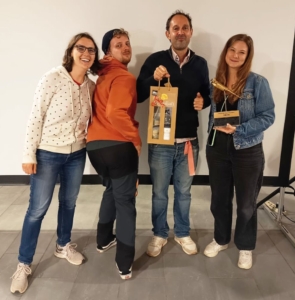
– July 2025: Nathalie Arhel and Sébastien Nisole, representing Team VTRIS at the ASV 2025 conference in Montreal.

– April 2025: The VTRIS team at the Francophone Virology Meeting 2025 in Lyon.
From left to right: Sophie Desgraupes presents her work on the role of RanBP2 in Acute Necrotizing Encephalopathy 1 (ANE1), Marion Cannac on the inhibition of flavivirus translation by the SAMD9L protein, and Jim Zoladek once again receives the Renaud Mahieux Award for his poster on the role of MITD1 in protecting microglia from neurotropic viruses..
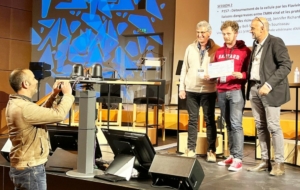
– November 2024: The VTRIS team in the spotlight at the Montpellier Infection & Immunity Meeting!
Left: Jim Zoladek on stage to present his latest work on flavivirus restriction in microglial cells. Right: Inès Bribes and Marion Cannac receive awards for best oral presentation and best poster, respectively.
– October 2024: 2 papers from the VTRIS lab out on the same day, some things you just can’t plan !
– April 2024: The VTRIS team participates in the French Virology Days in Brussels.
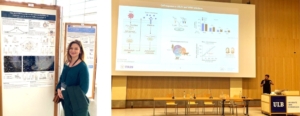 Left: Sophie Desgraupes presents her poster on the role of RanBP2 nucleoporin in the regulation of influenza virus nuclear export. Right: Jim Zoladek presents his work on the susceptibility of flaviviruses to the ISG20 exonuclease.
– November 2023: VTRIS @ Singapore !
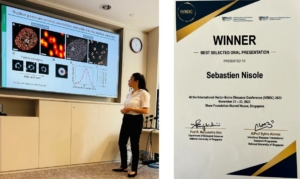 Left: Nathalie Arhel gives a seminar on “Nuclear pores in infection and immunity” at A*STAR Infectious Diseases Labs (ID Labs). Right: Sébastien Nisole wins the prize for best oral presentation at the International Vector-borne Diseases Conference (IVBDC).
– April 2023: Jim Zoladek receives the Renaud Mahieux Prize during the French Virology meeting 2023 at the Institut Pasteur.
– April 2023: VTRIS team hikes to the top of the pic Saint-Loup!

– February 2023: Sébastien Nisole at the Symposium “The TRIM family meets in Montpellier”.
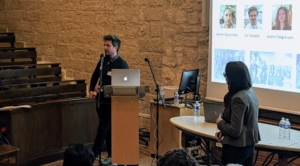
– December 2022: Celebration of Célia Chamontin’s promotion with colleagues.
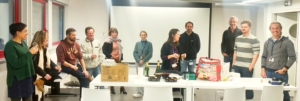
– September 2022: It came back to us… our own, our precious!! The golden pipette is ours once again!
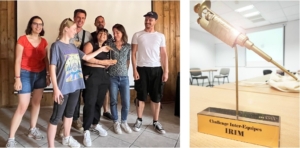 “It came back to us… our own, our precious!!”
The VTRIS team wins the IRIM 2022 photography contest with this photo:
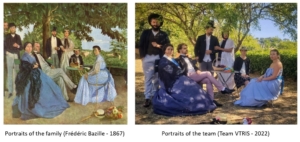
– July 2022: New postdoc position in our team!
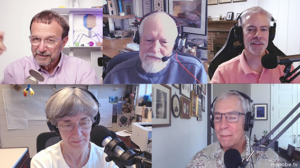
– June 2022: Our paper recently published in Cell Chem Biol (see previous post) was featured in This Week In Virology!!

Click below to watch Vincent Racaniello and his co-hosts explain our paper and the Alpha Centauri technology (starting at 39’55”) :
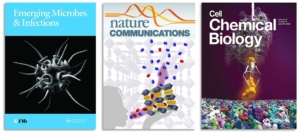
– June 2022: Another triple combo for the VTRIS team, with 3 papers published in a row… !!
- Maarifi G et al. Identifying enhancers of innate immune signaling as broad-spectrum antivirals active against emerging viruses. Cell Chem Biol (2022).
- Mac Kain A et al. Identification of DAXX as a restriction factor of SARS-CoV-2 through a CRISPR/Cas9 screen. Nat Commun (2022).
- Martin MF et al. Usutu Virus escapes langerin-induced restriction to productively infect human Langerhans cells, unlike West Nile virus. Emerg Microbes Infect (2022).
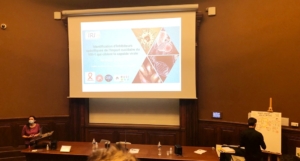
– March 2022: Nathalie Arhel presents her latest work during the Sidaction’s Scientific Day at the Pasteur Institute.
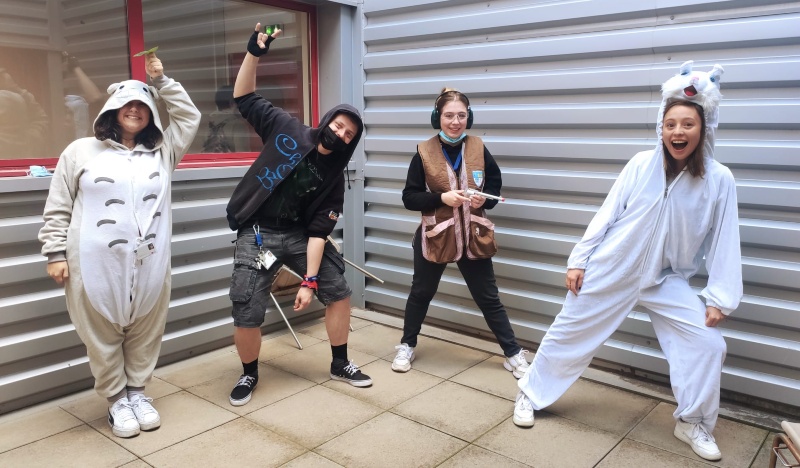
– March 2022: Today, it’s carnival in the lab!!
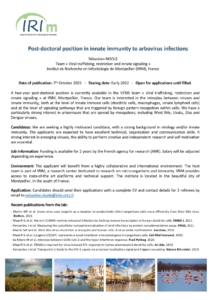
– October 2021: We recruit!
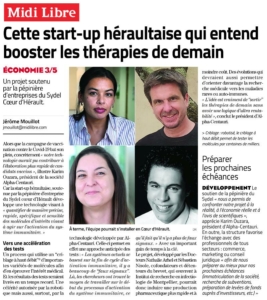
– April 2021: Our start-up project, Alpha Centauri, makes headlines in the local newspaper.
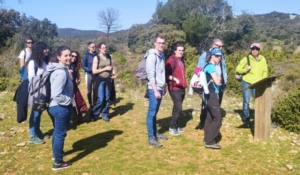
– March 2021: A beautiful morning away from the lab.
– November 2020: Congratulations to Sarah Maillet on a great remote PhD defense!
– July 2020: Quentin Hertel obtains a 3-year Ph.D. fellowship from the competitive CBS2 doctoral school. Well done Quentin!! We are glad to keep you in the lab!
– June 2020: A big thanks to the ANR and the Region Occitanie for financing our project Alpha-CoV, which aims to implement a fast and reliable assay for the high-throughput screening of antiviral molecules active against SARS-CoV-2.

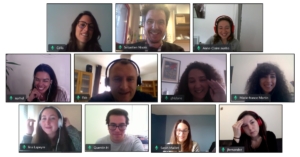
– March/April 2020: The VTRIS team is staying in touch during lockdown.
– February 2020: Juliette Fernandez receives the 2019 i-PhD trophy from Frédérique Vidal, Minister of Higher Education, Research and Innovation. Many congratulations, Juliette !!
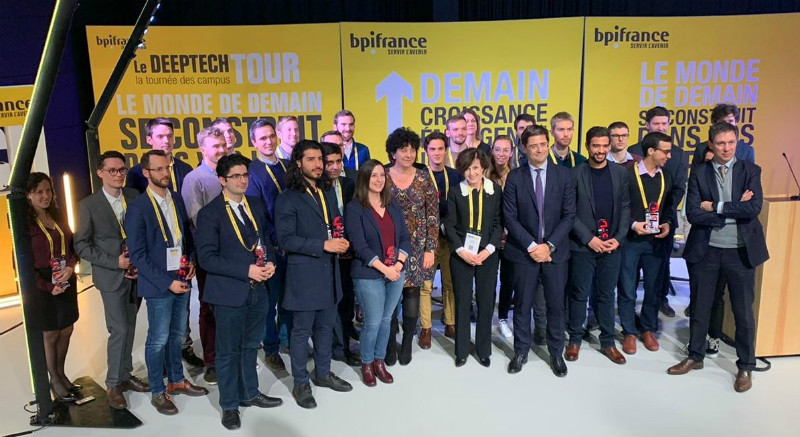 The 29 laureates of the i-PhD trophy
– February 2020: Nathalie Arhel and Sébastien Nisole are attending the Viruses – Novel Concepts in Virology conference in Barcelona.
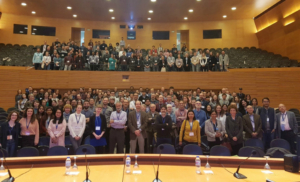 Can you spot us?
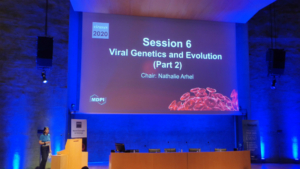 Nathalie chairing the session “Viral genetics and evolution”
– November 2019: Many congratulations to the newly minted Dr Juliette Fernandez, who successfully defended her PhD! We’re all proud of you, Juliette!
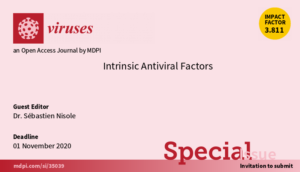
– October 2019: Sébastien Nisole is Guest Editor of a Special Issue entitled “Intrinsic Antiviral Factors” to be published in Viruses. Submissions are now open and we are looking forward to your contributions!
Deadline: November 1, 2020
For further information please visit the website of the Special Issue:
https://www.mdpi.com/journal/viruses/special_issues/antiviral_factors
– September 2019: After 3 years of trying, the highly coveted IRIM golden pipette is ours…!!!
It came to us, our own, our love… our precioussss!!
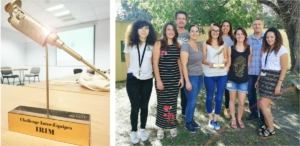
The VTRIS team wins the IRIM 2019 photography contest with this photo:

The Making-of:
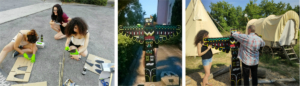
– September 2019: Triple combo after a summer of revisions: the VTRIS team has 3 papers currently in press… watch out our webpage for an update!

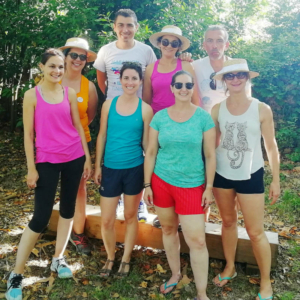
– July 2019:Sarah Maillet, Célia Chamontin and Juliette Fernandez join the dIRIM Team for CNRS’s 80th anniversary challenge.
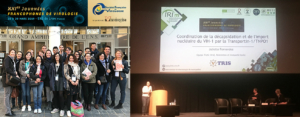
– March 2019: IRIM is well represented at the French virology meeting (Journées Francophones de Virologie) in Lyon. Juliette Fernandez presented our work on the role of TNPO1 in HIV-1 uncoating and nuclear import.
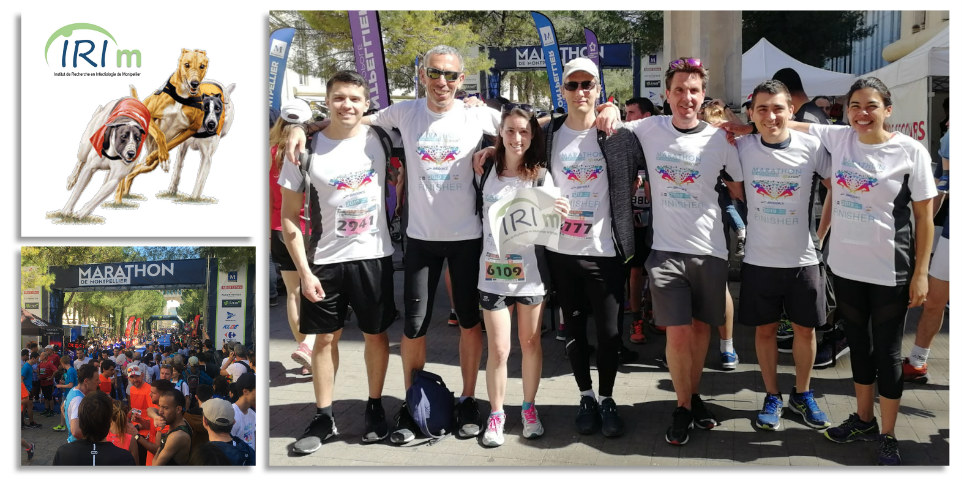
– March 2019: Nathalie Arhel, Célia Chamontin and Sébastien Nisole join the IRIM Greyhound team for the relay marathon of Montpellier! 42.2km in 3h 53min…. well done greyhounds!!
– January 2019:2019 starts off well for Fabien Blanchet, who obtained a 2-year grant from the ANRS to pursue his exciting research on HIV-1 restriction in Langerhans cells. Well done, Fabien!

– December 2018: Christmas came early this year with the arrival of a new PI in our team! Fabien Blanchet is a tenured INSERM researcher and specialist of myeloid cells, antiviral immunity and HIV biology. He is joining us together with Ghizlane Maarifi, postdoctoral fellow financed by ANRS. A warm welcome to you both, we’re delighted to have you!
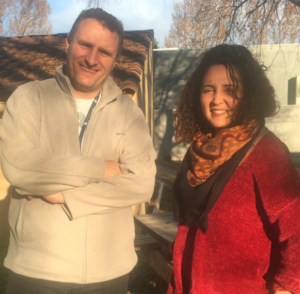
– December 2018: Nathalie Arhel and Sébastien Nisole are attending the Immunotherapies for Infectious Diseases congress in Lyon, France.

– October 2018: The VTRIS team at the IRIM’s cooking contest.
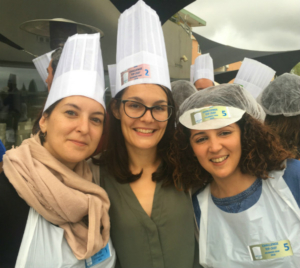 From left to right: J. Fernandez, S. Maillet, G. Maarifi.
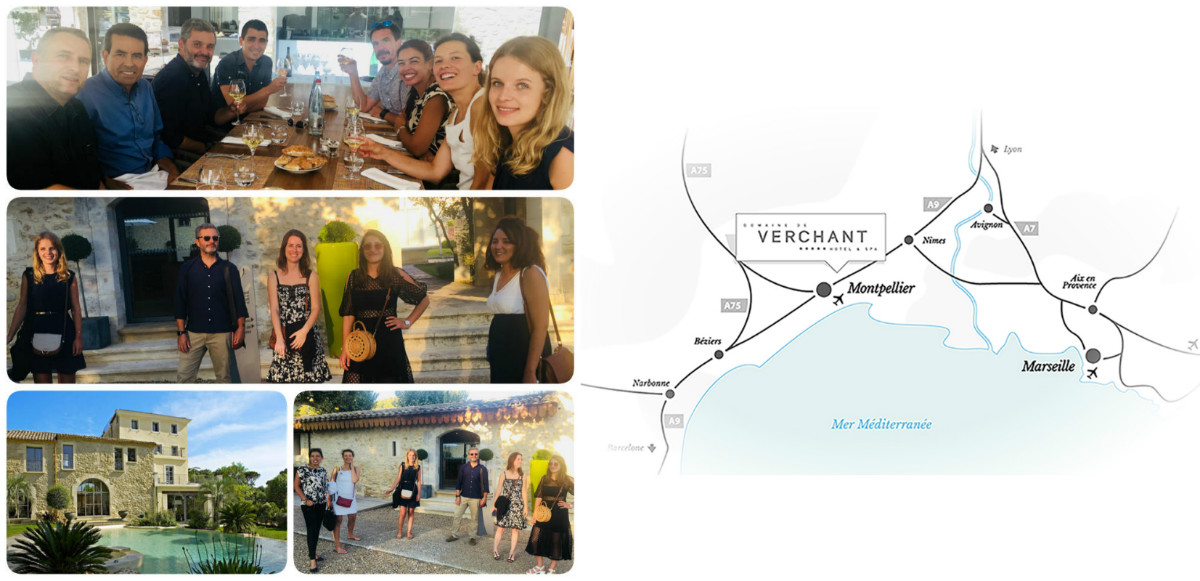
– September 2018: Nathalie Arhel organizes a very stimulating workshop at Domaine de Verchant, with the support of ANR.
– June 2018: Marie-France Martin has been awarded a 3-year Ph.D. grant from the Labex EpigenMed to study the innate immune response to arboviruses in human immune cells. Congratulation and welcome Marie-France!


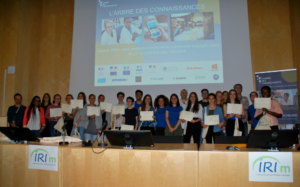
– May 2018: Juliette Fernandez organizes Montpellier’s first ever Young Research Apprentices symposium on behalf of the “Arbre des Connaissances” association. Teenagers were given the opportunity to discover lab work throughout their school year, then presented their results before their families and teachers during a friendly symposium held in the CNRS amphitheatre. A huge thank you to all IRIM teams who welcomed these budding scientists in their labs.
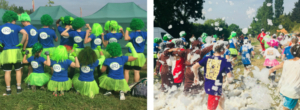
– April 2018:The VTRIS members join the IRIM team for the “Ruée des Fadas”, an 8 km obstacle race.
– April 2018: The team welcomes Richard de Reuver, an Erasmus Master student from the Netherlands, who comes for a 6-month internship. Welcome Richard!

– February 2018: Nathalie Arhel and Sébastien Nisole are attending the “Viruses – Breakthroughs in Viral Replication” conference in Barcelona.
 Can you find us?
– October 2017: The VTRIS team wins second prize for the 3-min video contest illustrating life at IRIM. We’ve got our sights set on first prize for next year’s challenge -the highly coveted golden pipette!

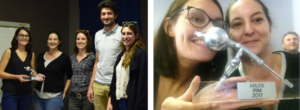 Left picture, from left to right: S. Maillet, J. Fernandez, C. Chamontin, A. Zebboudj, J. Lagisquet
Right picture: S. Maillet and J. Fernandez
– October 2017: The VTRIS team is happy to welcome two new members, Abderezak Zebboudj (postdoc) and Justine Lagisquet (Research assistant). Welcome Zak and Justine!
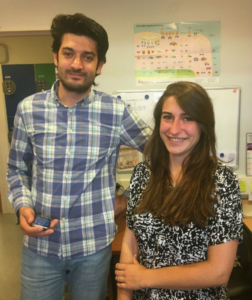
– September 2017: The VTRIS team welcomes Célia Chamontin who joins the team as a permanent research assistant (Montpellier University). We’re happy to have you Célia!

– June 2017: Sarah Maillet obtains a 3-year Ph.D. grant from the ANRS to investigate the molecular mechanism of the inhibition of HIV-1 reverse-transcription by the cellular protein Daxx. Well done, Sarah!
– May 2017: The VTRIS team on its first escape game.
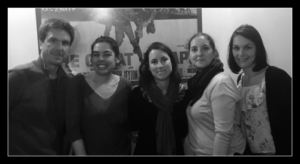 From left to right: S. Nisole, N. Arhel, C. Chamontin, J. Fernandez, S. Maillet
– April 2017: The VTRIS team participates in a giant human chain to spell the word “Science” in Montpellier’s main square. We’re in the second “C” of “Science” on this satellite picture.

– March 2017: Juliette Fernandez holds the Sidaction stand with Véronique in the IRIM lobby.
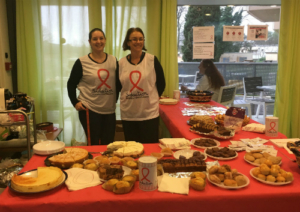
– January 2017: VTRIS Lab-warming party!
– January 2017: Juliette Fernandez obtains a 3-year PhD grant from the Sidaction to develop new tools to investigate HIV nuclear import. Well done, Juliette!

-January 2017: Inauguration of the Viral Trafficking, Restriction and Innate Signaling laboratory (VTRIS) at IRIM, Montpellier.
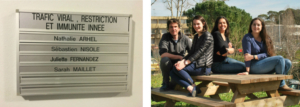
IN BRIEF
The VTRIS team was created on January 1st 2017, following an international call for senior group leaders from the IRIM institute. It is supported by the regional excellence consortium (Labex) EpiGenMed.
Funding