
We study how the molecular machinery involved in plasma membrane organization and remodeling translates into signaling pathways and cellular responses during homeostatic and pathological conditions.
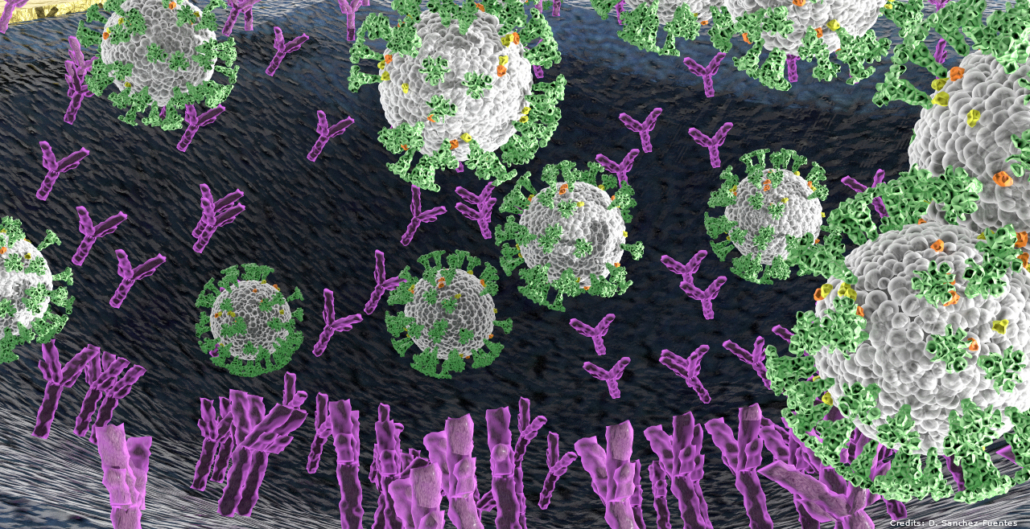
The plasma membrane is the first interface mediating the interaction of cells with the external environment. Following an external stimulus, endocytosis is the primary process by which cells regulate the plasma membrane composition, allowing micronutrient uptake or the redistribution of cell surface receptors. The plasma membrane also represents the last proteolipid layer before secretion/exocytosis of cellular constituents involved in antiviral responses and inflammation. Consequently, endocytosis and exocytosis are often hijacked by viruses, toxins, and bacteria to access the host cell and perturb the host microenvironment.
In the team, we investigate the cellular components and pathways allowing signal transmission from virus/receptor binding and internalization, virus sensing, and innate immune response regulating antiviral and inflammatory molecules secretion/exocytosis leading to cell activation, maturation, and migration required for the establishment of host-specific antiviral immunity.
RESEARCH THEME: “Mechanisms of endocytosis”
Project leader: L. Picas
The research theme “mechanisms of endocytosis” is focused on deciphering how receptor-driven plasma membrane reorganization and endocytosis translate signals into cells and induce cellular responses to incoming viruses (e.g. CHIKV). We study the physical principles and molecular machinery driving clathrin-mediated endocytosis, the canonical pathway in all eukaryotic cells that support housekeeping functions, and clathrin-independent mechanisms, which provide an exciting opportunity as novel therapeutic approaches.
RESEARCH THEME: “DC antiviral immunity”
Project leader: F. Blanchet
The research theme “DC antiviral immunity” uses ex vivo-derived human primary immune cell types (Dendritic cells, macrophages) to decipher how endocytic processes are linked to downstream recognition of viruses (CHIKV, HIV-1, etc.) or stress molecules and subsequent innate antiviral immune responses. We also characterize the cellular components of the host innate immune response and define their function on viral replication and transmission of infection when confronted with host antiviral immunity and inflammation.
Identification of unconventional endocytic mechanisms involved in viral uptake
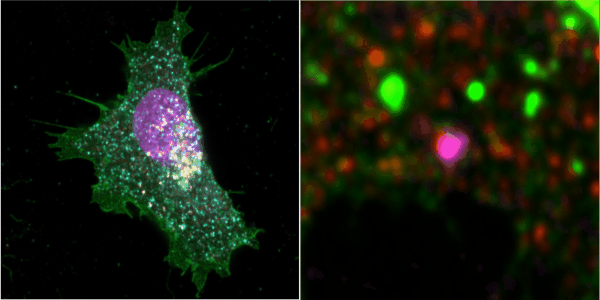
Although clathrin-mediated endocytosis is considered the canonical entry pathway of alphavirus into the host cell, increasing evidence points out that parallel mechanisms exist to infect cells. In the team, we combine cell biology and virology approaches to identify new clathrin-independent mechanisms that participate in the chikungunya virus (CHIKV) entry into host cells.
Collaboration : L. Briant (IRIM), C.Gauthier-Rouvière & S. Bodin (CRBM), H-F. Renard (U. Namur).
DC immune responses linked to the cellular autophagy pathway upon viral infections
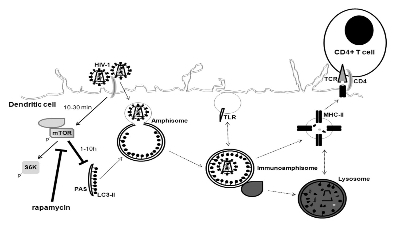
Autophagy and receptor-mediated endocytosis are involved in HIV-1 entry into dendritic cells (DCs) thus leading to the formation of special intracellular structures coined “immunoamphisomes” which influence both innate and adaptive immune responses. Several receptors, including DC-SIGN, are seemingly involved in this process.
Our aim is therefore to better characterize the first steps of HIV-1 entry and the role of autophagy at this level. The impact of autophagy on innate and adaptive immune responses and the relationship between HIV-1 and autophagy are also currently analyzed in different DC subtypes. We are also trying to dissect the signaling pathways downstream of receptor-mediated endocytosis and the link with autophagy-related factors. Our ambition is to reinforce DC immune functions when virally challenged by modulating cellular autophagy components and endocytic pathways.
Collaboration: V. Haucke (Berlin), M. Lehmann (Berlin), Y. Guerardel (Lille).
Spatio-temporal organization of endocytosis, from molecules to cells
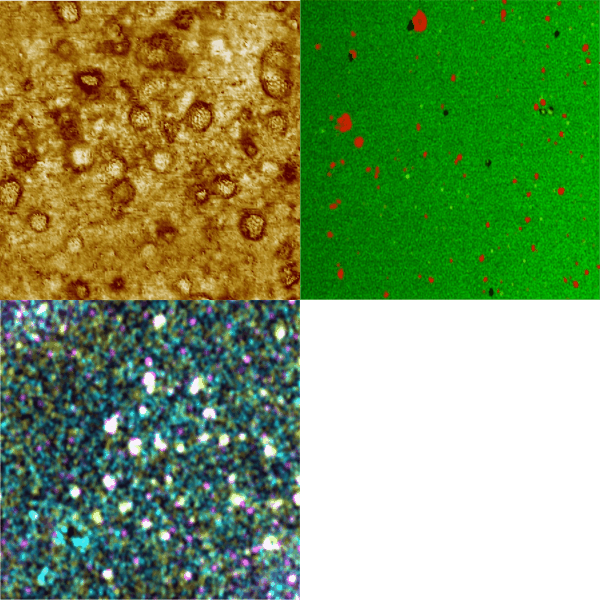
A general feature of all endocytic processes is that they require the inward bending of the plasma membrane to form a transport vesicle. This process is achieved thanks to protein machinery recruited at the plasma membrane, and that will help on the bending, elongation, and scission of vesicles.
At the molecular level, we use bottom-up synthetic systems to reconstitute endocytic processes. Using these systems, we can address the role of the lipid composition of membranes and investigate the structural organization and dynamics of endocytic proteins.
At the cellular level, we combine cell biology, and virology approaches with a toolbox of cutting-edge imaging techniques, from sub-diffraction microscopy to correlative light and atomic force microscopy.
Collaboration : S. Piatti, (CRBM), T. Lorca & A. Castro (CRBM), I. Casuso (LAI), J. Viaud (i2MC), S. Vassilopoulos (I. Myology), S. Lyonnais (CEMIPAI).
Deciphering Antiviral Immune Responses in human DC subsets
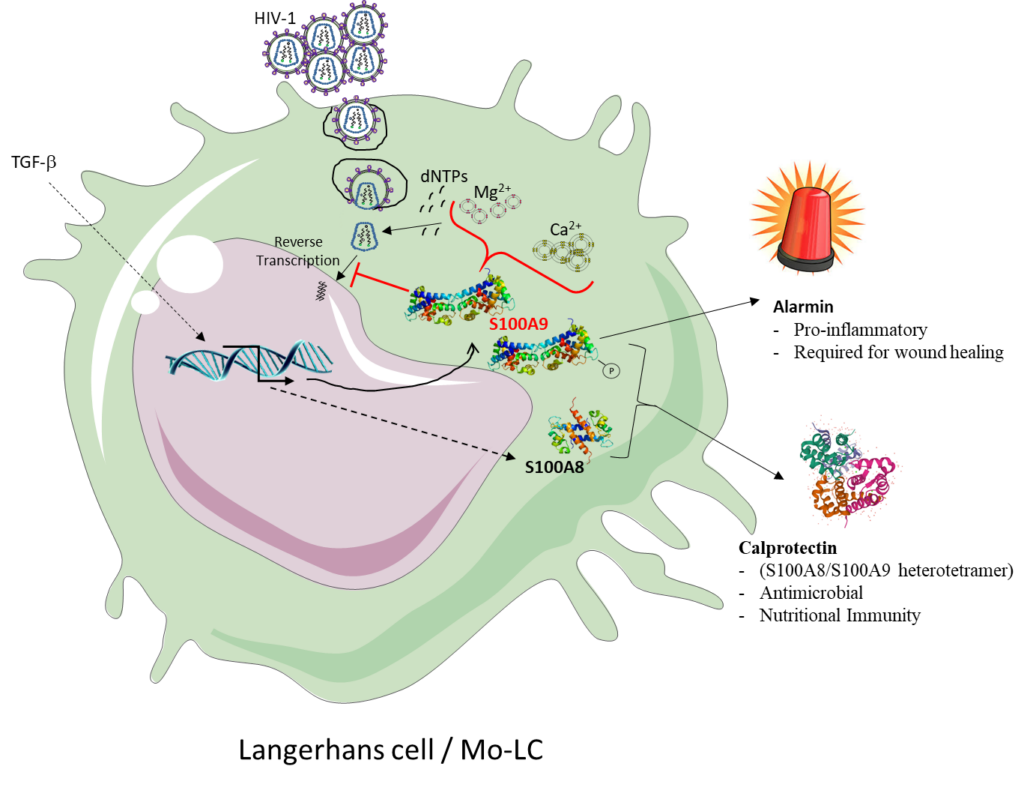
Potent restriction mechanisms are present in DC subsets to counteract and respond to most viral infections. While several DC subtypes are not bona fide targets of HIV-1 replication and infection, many cellular mechanisms of viral restriction remain to be identified or better characterized. We are using state-of-the-art high-throughput transcriptomics and proteomics techniques in human primary DC subsets in order to reveal potential cellular antiviral mechanisms involved in cellular immune responses.
Among the DC subsets studied, we are particularly interested in deciphering Langerhans cells antiviral immune responses. As such we recently uncovered an unsuspected intracellular role for the alarmin S100A9 in the susceptibility to HIV-1 infection of LC. We are now trying to further characterize the mechanism of action of S100A9 on viral restriction while also trying to understand the functional immunobiological balance between intracellular and extracellular pools of alarmins upon viral infections.
Collaboration : L. Chaloin (IRIM), L. Yatime (LPHI, Montpellier).
Plasma membrane mechano-transduction, from molecules to cellular functions
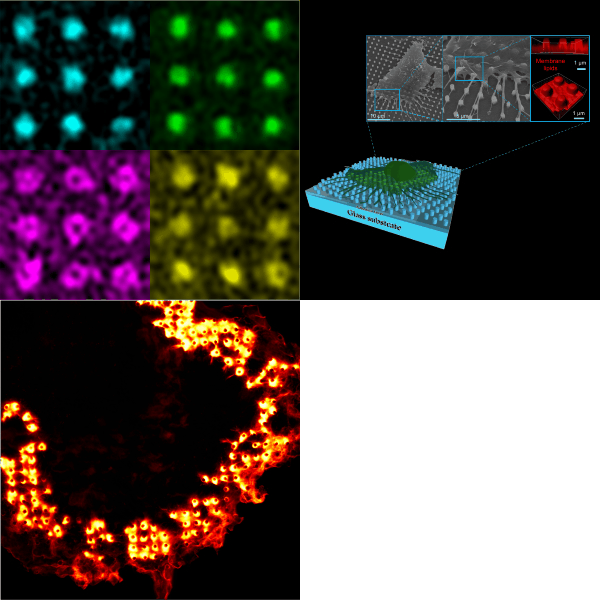
The ability of proteins to sense and respond to changes in the plasma membrane topology is an important feature triggering the selective accumulation of endocytic proteins to nanometer-scale topologies, as in the case of BAR domain proteins, but also supporting cellular functions, in which cells respond to topological features of the extracellular matrix (e.g., topotaxis). In the team, we combine novel soft-lithography approaches with sub-diffraction microscopy to study the principles of plasma membrane mechano-transduction at the molecular level, using bottom-up synthetic systems, and at the cellular level, investigating the motility of DC cells.
Collaboration : A. Carretero-Genevrier (IES).
Team Members
- Laura Picas – CRCN CNRS.
- Fabien P. Blanchet – CRCN INSERM.
- Charlotte André – AI CNRS.
- Aude Boulay – AI (ANRS).
- Raïssa Rathar – PhD student I2S – Labex NUMEV.
- Quentin Hertel – PhD student CBS2.
- Nelly Audemard – PhD student CBS2.
- Lauriane Grondin – PhD student CBS2 / UNamur.
- Manon Le Fé – Etudiant M1, Université de Montpellier.
- Raphaël Lopez – Etudiant M1, Université de Montpellier.
- Paloma Estelle – Etudiant M1, Université de Montpellier.
Past team members
- Florian Hérault – BSc (L3) student, Montpellier University.
- Cyrielle Holuka – M2 student, Montpellier University.
- Thibault Sansen – M2 student, Toulouse University.
- Farouq Abadak – M2 student, Université de Montpellier.
- Aurélie Favarin – M2 student, Université de Montpellier.
- Laura Jimenez – ESTBB student, Lyon.
- Riham Daher – M1 student, Université de Montpellier.
- Nolwenn Barbier – L3 student, Université de Nîmes.
- Isabelle Alakiki – M2 student, Université de Montpellier.
- Camille Taliercio – M1 student, Université de Montpellier.
- Floriane Costes – M1 student, Université de Tours.
- Fatima El Alaoui – PhD student CBS2.
In bold, team members.
2022
- El Alaoui, F.; Casuso, I.; Sanchez-Fuentes, D.; Arpin-Andre, C.; Rathar, R.; Baecker, V.; Castro, A.; Lorca, T.; Viaud, J.; Vassilopoulos, S.; Carretero-Genevrier, A.; Picas, L. Structural Organization and Dynamics of FCHo2 Docking on Membranes. eLife 2022, 11, e73156. https://doi.org/10.7554/eLife.73156.
2021
- Jolly, C.; Gomez, A.; Sánchez-Fuentes, D.; Cakiroglu, D.; Rathar, R.; Maurin, N.; Garcia-Bermejo, R.; Charlot, B.; Gich, M.; Bahriz, M.; Picas, L.; Carretero-Genevrier, A. Soft-Chemistry-Assisted On-Chip Integration of Nanostructured α-Quartz Microelectromechanical System. Advanced Materials Technologies 2021, 6 (3), 2000831. https://doi.org/10.1002/admt.202000831.
- Maarifi G, Lagisquet J, Hertel Q, Bonaventure B, Chamontin C, Fuchs K, Moncorgé O, Tauziet M, Mombled M, Papin L, Molès JP, Bodet C, Lévèque N, Gross A, Arhel N, Nisole S, Van de Perre P, Goujon C, Blanchet FP. Alarmin S100A9 restricts retroviral infection by limiting reverse transcription in human dendritic cells. EMBO J. 2021 Aug 16;40(16):e106540. doi: 10.15252
2020
- Sansen, T.; Sanchez-Fuentes, D.; Rathar, R.; Colom-Diego, A.; Alaoui, F. E.; Viaud, J.; Macchione, M. de Rossi, S.; Matile, S.; Gaudin, R.; Bäcker, V.; Carretero-Genevrier, A.; Picas, L. Mapping Cell Membrane Organization and Dynamics Using Soft Nanoimprint Lithography. ACS Appl. Mater. Interfaces 2020, 13. https://dx.doi.org/10.1021/acsami.0c05432.
- Burette M, Allombert J, Lambou K, Maarifi G, Nisole S, Di Russo Case E, Blanchet FP, Hassen-Khodja C, Cabantous S, Samuel J, Martinez E, Bonazzi M. Modulation of innate immune signaling by a Coxiella burnetii eukaryotic-like effector protein. Proc Natl Acad Sci U S A. 2020 Jun 16;117(24):13708-13718. doi: 10.1073.
- Maillet S, Fernandez J, Decourcelle M, El Koulali K, Blanchet FP, Arhel NJ, Maarifi G, Nisole S. Daxx Inhibits HIV-1 Reverse Transcription and Uncoating in a SUMO-Dependent Manner. 2020 Jun 11;12(6):636. doi: 10.3390/v12060636.
- Maarifi G, Czubala MA, Lagisquet J, Ivory MO, Fuchs K, Papin L, Birchall JC, Nisole S, Piguet V, Blanchet FP. Langerin (CD207) represents a novel interferon-stimulated gene in Langerhans cells. Cell Mol Immunol. 2020 May;17(5):547-549. doi: 10.1038/s41423-019-0302-5
2019
- Maarifi G, Smith N, Maillet S, Moncorgé O, Chamontin C, Edouard J, Sohm F, Blanchet FP, Herbeuval JP, Lutfalla G, Levraud JP, Arhel NJ, Nisole S. TRIM8 is required for virus-induced IFN response in human plasmacytoid dendritic cells. Sci Adv. 2019 Nov 20;5(11):eaax3511. doi: 10.1126/sciadv.aax3511
- Shimauchi T, Caucheteux S, Finsterbusch K, Turpin J, Blanchet F, Ladell K, Triantafilou K, Czubala M, Tatsuno K, Easter T, Ahmed Z, Bayliss R, Hakobyan S, Price DA, Tokura Y, Piguet V. Dendritic Cells Promote the Spread of Human T-Cell Leukemia Virus Type 1 via Bidirectional Interactions with CD4+ T Cells. J Invest Dermatol. 2019 Jan;139(1):157-166.
- De Franceschi, N.; Miihkinen, M.; Hamidi, H.; Alanko, J.; Mai, A.; Picas, L.; Guzmán, C.; Lévy, D.; Mattjus, P.; Goult, B. T.; Goud, B.; Ivaska, J. ProLIF – Quantitative Integrin Protein–Protein Interactions and Synergistic Membrane Effects on Proteoliposomes. J Cell Sci 2019, 132 (4), jcs214270. https://doi.org/10.1242/jcs.214270.
2018
- Tsai, F.-C.; Bertin, A.; Bousquet, H.; Manzi, J.; Senju, Y.; Tsai, M.-C.; Picas, L.; Miserey-Lenkei, S.; Lappalainen, P.; Lemichez, E.; Coudrier, E.; Bassereau, P. Ezrin Enrichment on Curved Membranes Requires a Specific Conformation or Interaction with a Curvature-Sensitive Partner. eLife 2018, 7, e37262. https://doi.org/10.7554/eLife.37262.
2016
- Picas, L.; Gaits-Iacovoni, F.; Goud, B. The Emerging Role of Phosphoinositide Clustering in Intracellular Trafficking and Signal Transduction. F1000Res 2016, 5, 422. https://doi.org/10.12688/f1000research.7537.1.
- Czubala MA, Finsterbusch K, Ivory MO, Mitchell JP, Ahmed Z, Shimauchi T, Karoo ROS, Coulman SA, Gateley C, Birchall JC, Blanchet FP, Piguet V. TGFβ Induces a SAMHD1-Independent Post-Entry Restriction to HIV-1 Infection of Human Epithelial Langerhans Cells. J Invest Dermatol. 2016 Oct;136(10):1981-1989.
- Coulon PG, Richetta C, Rouers A, Blanchet FP, Urrutia A, Guerbois M, Piguet V, Theodorou I, Bet A, Schwartz O, Tangy F, Graff-Dubois S, Cardinaud S, Moris A. HIV-Infected Dendritic Cells Present Endogenous MHC Class II-Restricted Antigens to HIV-Specific CD4+ T Cells. J Immunol. 2016 Jul 15;197(2):517-32.
- Caucheteux SM, Mitchell JP, Ivory MO, Hirosue S, Hakobyan S, Dolton G, Ladell K, Miners K, Price DA, Kan-Mitchell J, Sewell AK, Nestle F, Moris A, Karoo RO, Birchall JC, Swartz MA, Hubbel JA, Blanchet FP, Piguet V. Polypropylene Sulfide Nanoparticle p24 Vaccine Promotes Dendritic Cell-Mediated Specific Immune Responses against HIV-1. J Invest Dermatol. 2016 Jun;136(6):1172-1181.
2015
- Carretero-Genevrier, A.; Gich, M.; Picas, L.; Sanchez, C.; Rodriguez-Carvajal, J. Chiral Habit Selection on Nanostructured Epitaxial Quartz Films. Faraday Discuss. 2015, 179, 227–233. https://doi.org/10.1039/C4FD00266K.
- Chauhan S, Ahmed Z, Bradfute SB, Arko-Mensah J, Mandell MA, Won Choi S, Kimura T, Blanchet F, Waller A, Mudd MH, Jiang S, Sklar L, Timmins GS, Maphis N, Bhaskar K, Piguet V, Deretic V. Pharmaceutical screen identifies novel target processes for activation of autophagy with a broad translational potential. Nat Commun. 2015 Oct 27;6:8620.
- Morgan AH, Hammond VJ, Sakoh-Nakatogawa M, Ohsumi Y, Thomas CP, Blanchet F, Piguet V, Kiselyov K, O’Donnell VB. A novel role for 12/15-lipoxygenase in regulating autophagy. Redox Biol. 2015;4:40-7.
- Sagnier S, Daussy CF, Borel S, Robert-Hebmann V, Faure M, Blanchet FP, Beaumelle B, Biard-Piechaczyk M, Espert L. Autophagy restricts HIV-1 infection by selectively degrading Tat in CD4+ T lymphocytes. J Virol. 2015 Jan;89(1):615-25.
2014
- Picas, L.; Viaud, J.; Schauer, K.; Vanni, S.; Hnia, K.; Fraisier, V.; Roux, A.; Bassereau, P.; Gaits-Iacovoni, F.; Payrastre, B.; Laporte, J.; Manneville, J.-B.; Goud, B. BIN1/M-Amphiphysin2 Induces Clustering of Phosphoinositides to Recruit Its Downstream Partner Dynamin. Nat Commun 2014, 5 (1), 5647. https://doi.org/10.1038/ncomms6647.
- Fielding CA, Aicheler R, Stanton RJ, Wang EC, Han S, Seirafian S, Davies J, McSharry BP, Weekes MP, Antrobus PR, Prod’homme V, Blanchet FP, Sugrue D, Cuff S, Roberts D, Davison AJ, Lehner PJ, Wilkinson GW, Tomasec P. Two novel human cytomegalovirus NK cell evasion functions target MICA for lysosomal degradation. PLoS Pathog. 2014 May 1;10(5):e1004058.
2013
- Carretero-Genevrier, A.; Gich, M.; Picas, L.; Gazquez, J.; Drisko, G. L.; Boissiere, C.; Grosso, D.; Rodriguez-Carvajal, J.; Sanchez, C. Soft-Chemistry-Based Routes to Epitaxial -Quartz Thin Films with Tunable Textures. Science 2013, 340 (6134), 827–831. https://doi.org/10.1126/science.1232968.
- Rico, F.; Rigato, A.; Picas, L.; Scheuring, S. Mechanics of Proteins with a Focus on Atomic Force Microscopy. J Nanobiotechnol 2013, 11 (Suppl 1), S3. https://doi.org/10.1186/1477-3155-11-S1-S3.
- Rico, F.; Picas, L.; Colom, A.; Buzhynskyy, N.; Scheuring, S. The Mechanics of Membrane Proteins Is a Signature of Biological Function. Soft Matter 2013, 9 (32), 7866. https://doi.org/10.1039/c3sm50967b.
- Picas, L.; Rico, F.; Deforet, M.; Scheuring, S. Structural and Mechanical Heterogeneity of the Erythrocyte Membrane Reveals Hallmarks of Membrane Stability. ACS Nano 2013, 7 (2), 1054–1063. https://doi.org/10.1021/nn303824j.
- Kaur I, Puri M, Ahmed Z, Blanchet F.P., Mangeat B, Piguet V. Inhibition of HIV-1 Replication by Balsamin, a Ribosome Inactivating Protein of Momordica balsamina. PLoS One. 2013 Sep 5;8(9):e73780.
- Malbec M, Sourisseau M, Guivel-Benhassine F, Porrot F, Blanchet F, Schwartz O, Casartelli N. HIV-1 Nef promotes the localization of Gag to the cell membrane and facilitates viral cell-to-cell transfer. 2013 Jul 30;10:80.
- Blanchet, F.P., Stalder, R., Czubala, M., Lehmann, M., Rio, L., Mangeat, B., and Piguet, V. (2013). TLR4 engagement of Dendritic Cells confers a BST-2/tetherin-mediated restriction of HIV-1 infection to CD4+ T cells across the virological synapse. 2013 Jan 11;10:6.
- Ahmed, Z., Czubala, M., Blanchet, F., and Piguet, V. (2013). HIV Impairment of Immune Responses in Dendritic Cells. Advances in experimental medicine and biology 762, 201-238.
2012
- Picas, L.; Rico, F.; Scheuring, S. Direct Measurement of the Mechanical Properties of Lipid Phases in Supported Bilayers. Biophysical Journal 2012, 102 (1), L01–L03. https://doi.org/10.1016/j.bpj.2011.11.4001.
- Picas, L.; Milhiet, P.-E.; Hernández-Borrell, J. Atomic Force Microscopy: A Versatile Tool to Probe the Physical and Chemical Properties of Supported Membranes at the Nanoscale. Chemistry and Physics of Lipids 2012, 165 (8), 845–860. https://doi.org/10.1016/j.chemphyslip.2012.10.005.
- Blanchet F.P., et al., ß-TrCP dependency of HIV-1 Vpu-Induced Downregulation of CD4 and BST-2/Tetherin. Curr HIV Res. 2012 Apr 18.
- Picas, L.; Suárez-Germà, C.; Montero, M. T.; Domènech, Ò.; Hernández-Borrell, J. Miscibility Behavior and Nanostructure of Monolayers of the Main Phospholipids of Escherichia Coli Inner Membrane. Langmuir 2012, 28 (1), 701–706. https://doi.org/10.1021/la203795t.
2011
- Nikolic DS, Lehmann M, Felts R, Garcia E, Blanchet FP, Subramaniam S, Piguet V. HIV-1 activates Cdc42 and induces membrane extensions in immature dendritic cells to facilitate cell-to-cell virus propagation. Blood, 2011. 118(18): p. 4841-52.
- Lehmann M, Rocha S, Mangeat B, Blanchet F, Uji-I H, Hofkens J, Piguet V. Quantitative multicolor super-resolution microscopy reveals tetherin HIV-1 interaction. PLoS Pathog, 2011. 7(12): p. e1002456.
2010
- Blanchet F, Moris A, Mitchell JP, Piguet V. A look at HIV journey: from dendritic cells to infection spread in CD4 T cells. Curr Opin HIV AIDS, 2011. 6(5): p. 391-7.
- Stalder R, Blanchet F, Mangeat B, Piguet V. Arsenic modulates APOBEC3G-mediated restriction to HIV-1 infection in myeloid dendritic cells. J Leukoc Biol, 2010. 88(6): p. 1251-8.
- Blanchet, F.P. and V. Piguet, Immunoamphisomes in dendritic cells amplify TLR signaling and enhance exogenous antigen presentation on MHC-II. Autophagy, 2010. 6(6): p. 816-8.
- Blanchet FP, Moris A, Nikolic DS, Lehmann M, Cardinaud S, Stalder R, Garcia E, Dinkins C, Leuba F, Wu L, Schwartz O, Deretic V, Piguet V.Human immunodeficiency virus-1 inhibition of immunoamphisomes in dendritic cells impairs early innate and adaptive immune responses. Immunity, 2010. 32(5): p. 654-69.
- Picas, L.; Suárez-Germà, C.; Teresa Montero, M.; Hernández-Borrell, J. Force Spectroscopy Study of Langmuir−Blodgett Asymmetric Bilayers of Phosphatidylethanolamine and Phosphatidylglycerol. Phys. Chem. B 2010, 114 (10), 3543–3549. https://doi.org/10.1021/jp910882e.
- Picas, L.; Montero, M. T.; Morros, A.; Vázquez-Ibar, J. L.; Hernández-Borrell, J. Evidence of Phosphatidylethanolamine and Phosphatidylglycerol Presence at the Annular Region of Lactose Permease of Escherichia Coli. Biochimica et Biophysica Acta (BBA) – Biomembranes 2010, 1798 (2), 291–296. https://doi.org/10.1016/j.bbamem.2009.06.024.
- Picas, L.; Carretero-Genevrier, A.; Montero, M. T.; Vázquez-Ibar, J. L.; Seantier, B.; Milhiet, P.-E.; Hernández-Borrell, J. Preferential Insertion of Lactose Permease in Phospholipid Domains: AFM Observations. Biochimica et Biophysica Acta (BBA) – Biomembranes 2010, 1798 (5), 1014–1019. https://doi.org/10.1016/j.bbamem.2010.01.008.
- Picas, L.; Suárez-Germà, C.; Montero, M. T.; Vázquez-Ibar, J. L.; Hernández-Borrell, J.; Prieto, M.; Loura, L. M. S. Lactose Permease Lipid Selectivity Using Förster Resonance Energy Transfer. Biochimica et Biophysica Acta (BBA) – Biomembranes 2010, 1798 (9), 1707–1713. https://doi.org/10.1016/j.bbamem.2010.05.012.
2009
- Picas, L.; Montero, M. T.; Morros, A.; Cabañas, M. E.; Seantier, B.; Milhiet, P.-E.; Hernández-Borrell, J. Calcium-Induced Formation of Subdomains in Phosphatidylethanolamine−Phosphatidylglycerol Bilayers: A Combined DSC, 31 P NMR, and AFM Study. Phys. Chem. B 2009, 113 (14), 4648–4655. https://doi.org/10.1021/jp8102468.
2008
- Picas, L.; Montero, M. T.; Morros, A.; Oncins, G.; Hernández-Borrell, J. Phase Changes in Supported Planar Bilayers of 1-Palmitoyl-2-Oleoyl- Sn -Glycero-3-Phosphoethanolamine. Phys. Chem. B 2008, 112 (33), 10181–10187. https://doi.org/10.1021/jp8037522.
2007
- Domènech, Ò.; Redondo, L.; Picas, L.; Morros, A.; Montero, M. T.; Hernández‐Borrell, J. Atomic Force Microscopy Characterization of Supported Planar Bilayers That Mimic the Mitochondrial Inner Membrane. Journal of Molecular Recognition 2007, 20 (6), 546–553. https://doi.org/10.1002/jmr.849.
- Oncins, G.; Picas, L.; Hernández-Borrell, J.; Garcia-Manyes, S.; Sanz, F. Thermal Response of Langmuir-Blodgett Films of Dipalmitoylphosphatidylcholine Studied by Atomic Force Microscopy and Force Spectroscopy. Biophysical Journal 2007, 93 (8), 2713–2725. https://doi.org/10.1529/biophysj.107.110916.
- Picas, L.; Merino-Montero, S.; Morros, A.; Hernández-Borrell, J.; Montero, M. T. Monitoring Pyrene Excimers in Lactose Permease Liposomes: Revealing the Presence of Phosphatidylglycerol in Proximity to an Integral Membrane Protein. J Fluoresc 2007, 17 (6), 649–654. https://doi.org/10.1007/s10895-006-0073-0.
- Sourisseau M, Sol-Foulon N, Porrot F, Blanchet F, Schwartz O. Inefficient human immunodeficiency virus replication in mobile lymphocytes. J Virol, 2007. 81(2): p. 1000-12.
- Sourisseau M, Schilte C, Casartelli N, Trouillet C, Guivel-Benhassine F, Rudnicka D, Sol-Foulon N, Le Roux K, Prevost MC, Fsihi H, Frenkiel MP, Blanchet F, Afonso PV, Ceccaldi PE, Ozden S, Gessain A, Schuffenecker I, Verhasselt B, Zamborlini A, Saïb A, Rey FA, Arenzana-Seisdedos F, Desprès P, Michault A, Albert ML, Schwartz O. Characterization of reemerging chikungunya virus. PLoS Pathog, 2007. 3(6): p. e89.
- Sol-Foulon N, Sourisseau M, Porrot F, Thoulouze MI, Trouillet C, Nobile C, Blanchet F, di Bartolo V, Noraz N, Taylor N, Alcover A, Hivroz C, Schwartz O. ZAP-70 kinase regulates HIV cell-to-cell spread and virological synapse formation. EMBO J, 2007. 26(2): p. 516-26.
2006
- Moris A, Pajot A, Blanchet F, Guivel-Benhassine F, Salcedo M, Schwartz O. Dendritic cells and HIV-specific CD4+ T cells: HIV antigen presentation, T-cell activation, and viral transfer. Blood, 2006. 108(5): p. 1643-51.
- Blanchet, F.,T. Schurter, and O. Acuto, Protein arginine methylation in lymphocyte signaling. Curr Opin Immunol, 2006. 18(3): p. 321-8.
- Thoulouze MI, Sol-Foulon N, Blanchet F, Dautry-Varsat A, Schwartz O, Alcover A. Human immunodeficiency virus type-1 infection impairs the formation of the immunological synapse. Immunity, 2006. 24(5): p. 547-61.
- Schurter, B.T., Blanchet, F., and Acuto, O. Protein arginine methylation: a new frontier in T cell signal transduction. Adv Exp Med Biol, 2006. 584: p. 189-206.
2005
- Blanchet F, Cardona A, Letimier FA, Hershfield MS, Acuto O. CD28 costimulatory signal induces protein arginine methylation in T cells. J Exp Med, 2005. 202(3): p. 371-7.
Joining the lab
Master students
We encourage highly motivated undergraduate students in cell biology, infectious diseases, or physics or students from an international program (ERASMUS) to contact the team for an internship. Please send me a CV and a motivation letter on how your profile will fit with our research topics.
Ph.D. candidates
We are currently not recruiting Ph.D. students. However, if you are interested in joining the IRIM for a Ph.D. program, please apply through the Doctoral School CBS2.
Postdoctoral candidates
We currently have no open positions for postdoctoral candidates. However, if you are a motivated candidate with a background in cell biology, virology, biophysics, or nanosciences, please contact me to drop your CV.

At a glance

Welcome to the NanoCytoLab!
We are a multidisciplinary team working at the interface of cell biology, immunology, virology, biophysics, and nanotechnologies.
The NanoCytoLab has been established at IRIM since September 2017 thanks to the support of the ATIP-Avenir program.
For the recent news: @NanoCytoLab.
Funding